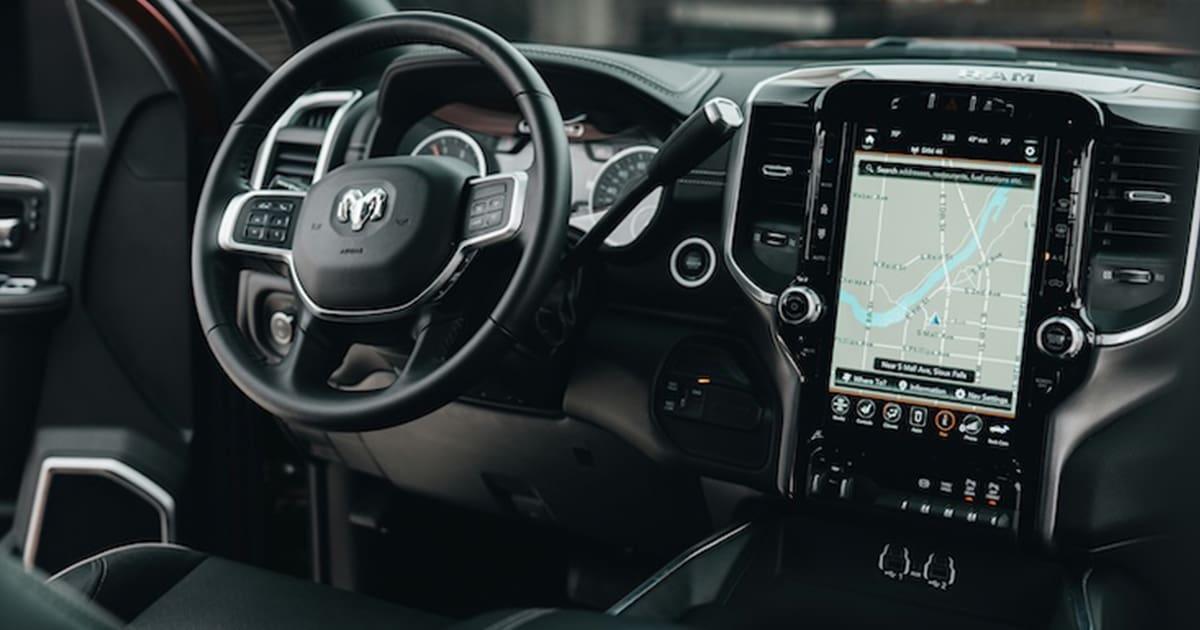
The landscape of car audio upgrades has changed dramatically over the years. As automakers integrate more advanced technology into their vehicles, upgrading the sound system has become increasingly complex. Features like active noise cancellation (ANC), complex DSP-equipped factory amplifiers, and controller area network (CAN) bus systems present unique challenges for aftermarket audio installers. Understanding these complications and how professionals work around them is crucial for ensuring high-quality audio enhancements.
-

Who needs headphones? Today’s vehicles have noise cancellation built in!
Active Noise Cancellation and Its Impact on Aftermarket Audio
Many modern vehicles are equipped with active noise cancellation systems (ANC systems) designed to reduce road and engine noise. While beneficial for a quieter cabin, ANC systems interfere with aftermarket audio upgrades.
ANC systems use microphones around the vehicle’s interior to capture unwanted noise. The audio system then generates sound waves that cancel out the noise through the speakers. However, when an aftermarket audio system is installed, the ANC system will misinterpret the new sound output as unwanted noise and attempt to cancel it, causing distortion and unwanted artifacts in the audio.
To work around this issue, professionals may be able to disable the ANC system through the vehicle’s settings or by physically disconnecting the microphones. In some cases, software-based solutions are used to override ANC functions without compromising the vehicle’s overall functionality.
-
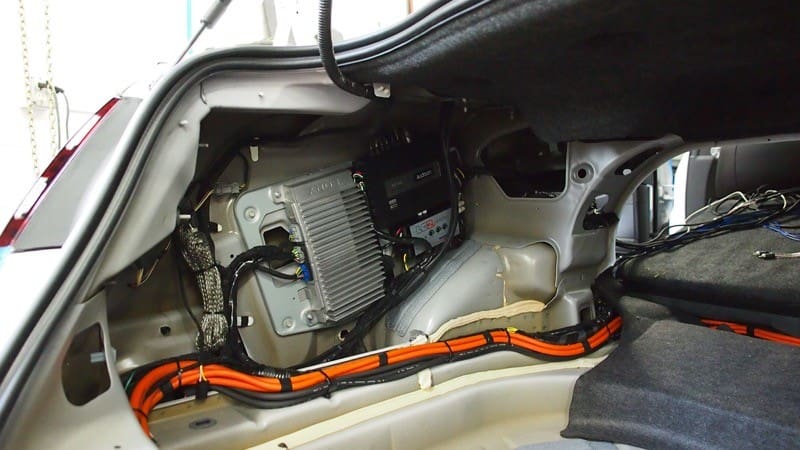
Audison and Audio Control processors were used to integrate with the factory Ford amplifier. Photo courtesy of Mobile Edge in Lehighton, PA
Factory Amplifiers and Sound Processing Challenges
Another challenge in modern vehicles is the presence of factory-installed amplifiers and digital sound processing (DSP). Automakers integrate these components to optimize the factory audio system for the vehicle’s specific acoustics and the chosen speakers. While this provides a better listening experience for stock audio, it complicates aftermarket upgrades.
Factory amplifiers often use proprietary signal processing, which can include equalization curves, time alignment, crossovers, all-pass filters and upmixers that are tuned for factory speakers. Simply replacing the speakers or adding an aftermarket amplifier without proper integration can result in imbalanced or distorted sound. Yes, you read that correctly. A simple speaker upgrade is likely to degrade the overall system performance.
Professionals use preamp interface modules to extract a clean, full-range audio signal from the factory system to address this. Another option is to use a digital signal processor to compensate for the factory signal processing. These solutions effectively neutralize the factory processing and provide a usable signal for aftermarket components, ensuring the new system performs optimally.
-
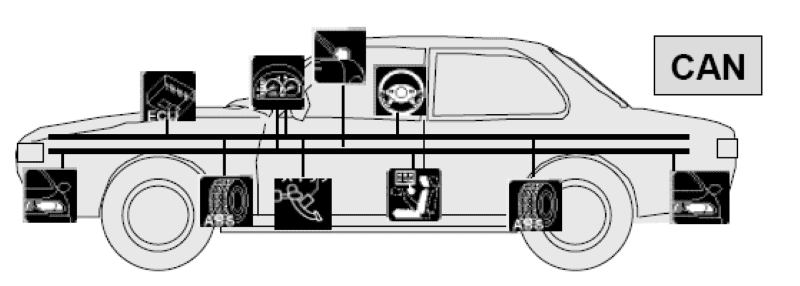
CANBUS is a vehicle’s internal network for electronic system communication.
Digital Communication Systems and Their Role in Audio Integration
The introduction of CAN bus systems in modern vehicles has revolutionized communication between various electronic components. The CAN bus is a network that allows different modules—such as the engine control unit, climate control, and audio system—to communicate with each other. While this enhances vehicle functionality, it adds immense complexity to aftermarket audio installations.
Many factory audio systems now rely on deeply integrated digital signals rather than traditional analog connections. Protocols like S/PDIF, A2B, MOST and AVB are now common ways source units communicate with amplifiers. These data streaming solutions make it difficult to replace the head unit or integrate an aftermarket audio system without interfering with other vehicle functions.
Professionals use specialized preamp integration modules to bridge the gap between aftermarket components and the factory system. These modules translate digital signals into analog outputs that feed a signal processor, new amplifiers, new speakers and subwoofers.
-
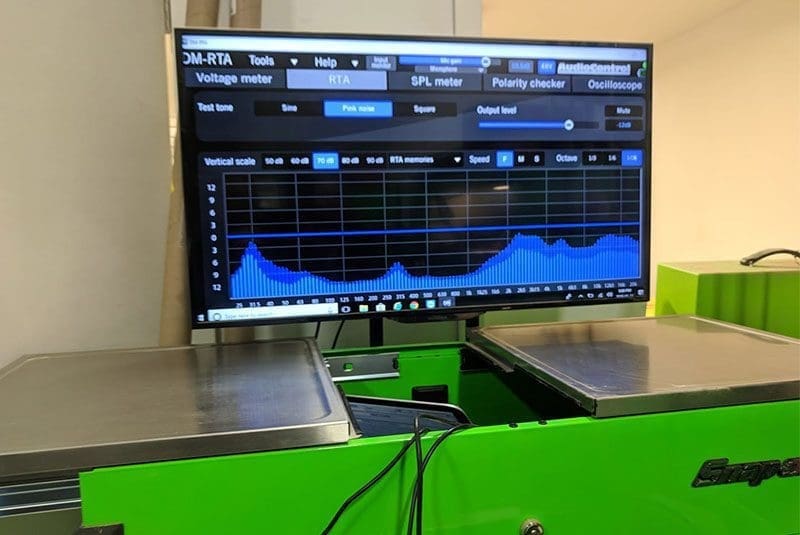
Proper installation and calibration in today’s complex vehicles requires specialized tools and software.
Car Audio Professionals Overcome These Challenges
Despite the complexities introduced by modern vehicle technology, professional installers have the expertise and tools necessary to ensure successful aftermarket audio upgrades. Here’s how they tackle these challenges:
- Vehicle-Specific Integration Modules—Using high-quality integration interfaces designed for specific makes and models allows seamless connections between aftermarket components and factory systems.
- DSP Calibration – Digital signal processors help correct factory processing issues and optimize sound quality.
- Proper Signal Extraction – Locating full-range signals from factory audio systems ensures that aftermarket amplifiers and speakers receive the best sound input.
- Software-Based Solutions—Some aftermarket solutions allow technicians to modify the vehicle’s software settings to make upgrades possible.
Upgrade Your Modern Car Audio System Today!
Upgrading a car audio system in a modern vehicle requires a deep understanding of factory audio architecture and integration techniques. Features like ANC, factory amplifiers, and digital communication systems introduce challenges, but professional installers can deliver outstanding results with the right tools and expertise. If you’re considering an audio upgrade, working with a knowledgeable expert who can navigate these complexities effectively is essential.
To learn more about the enhancements mentioned in this article, visit a qualified retailer near you.
This article is written and produced by the team at www.BestCarAudio.com. Reproduction or use of any kind is prohibited without the express written permission of 1sixty8 media.

Leave a Reply